⚠️ SPOILER ALERT—Reading this page will reveal several twists, turns, and surprises from the novel. If you haven't read Colors of Truth yet, proceed with caution!
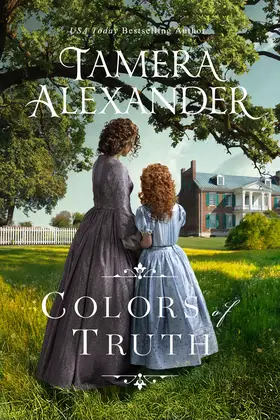
Colors of Truth—Carnton Novels, Book 2
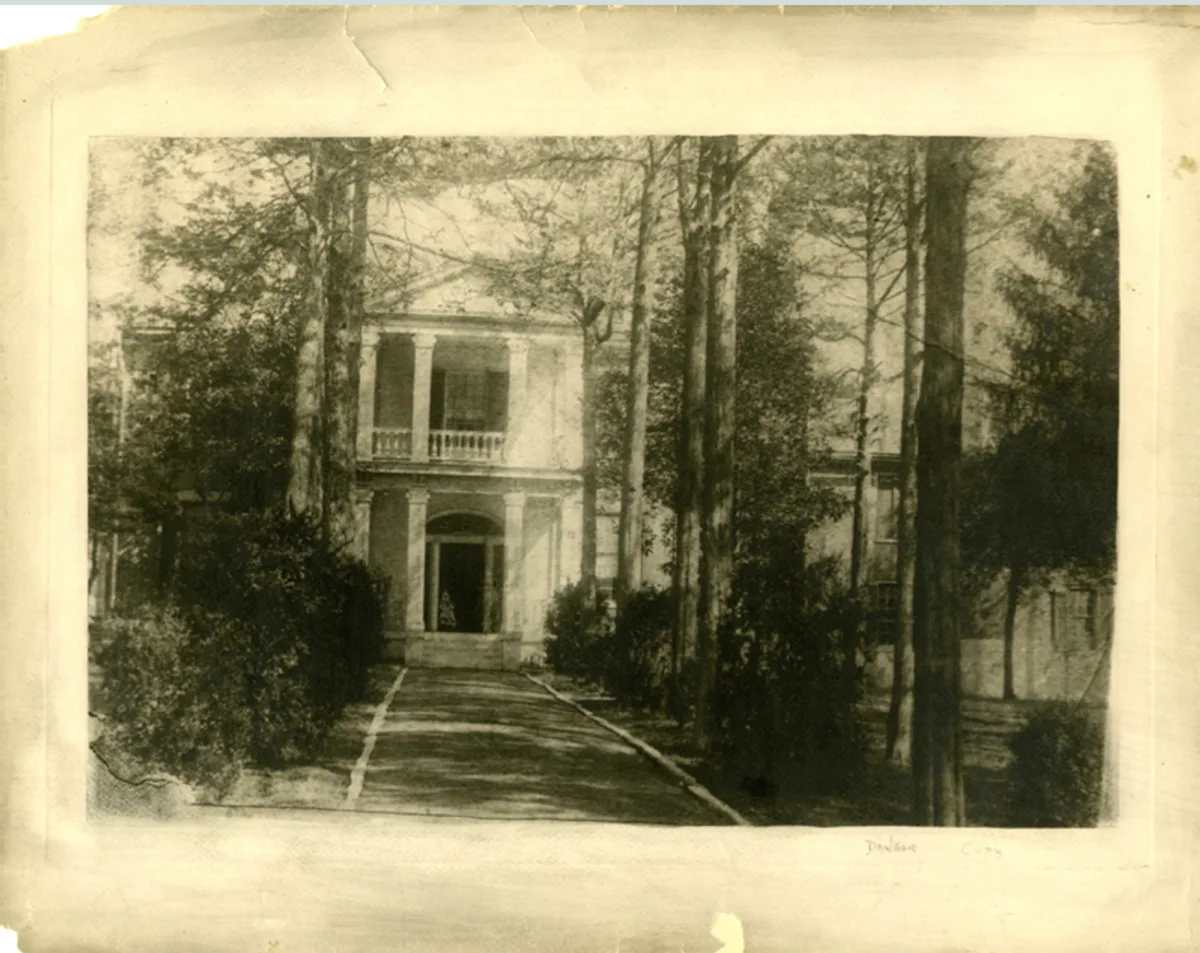
Carnton—as you likely know since you've read Colors of Truth—is a real antebellum home in Franklin, Tennessee and the setting for all of my Carnton novels. This image, taken ca. 1866, is one of the oldest known images of the home (looking toward the front of the house with the serpentine brick walkway as described in the novels).
This is also the only known image in which the original house/kitchen wing can be seen—on the far right side through the trees. This kitchen wing was destroyed in the early 1900s by a tornado and was never reconstructed. When you visit Carnton you can still see the outline of the original walls of the kitchen wing on the brick walls of the main house as well as view parts of the foundation.
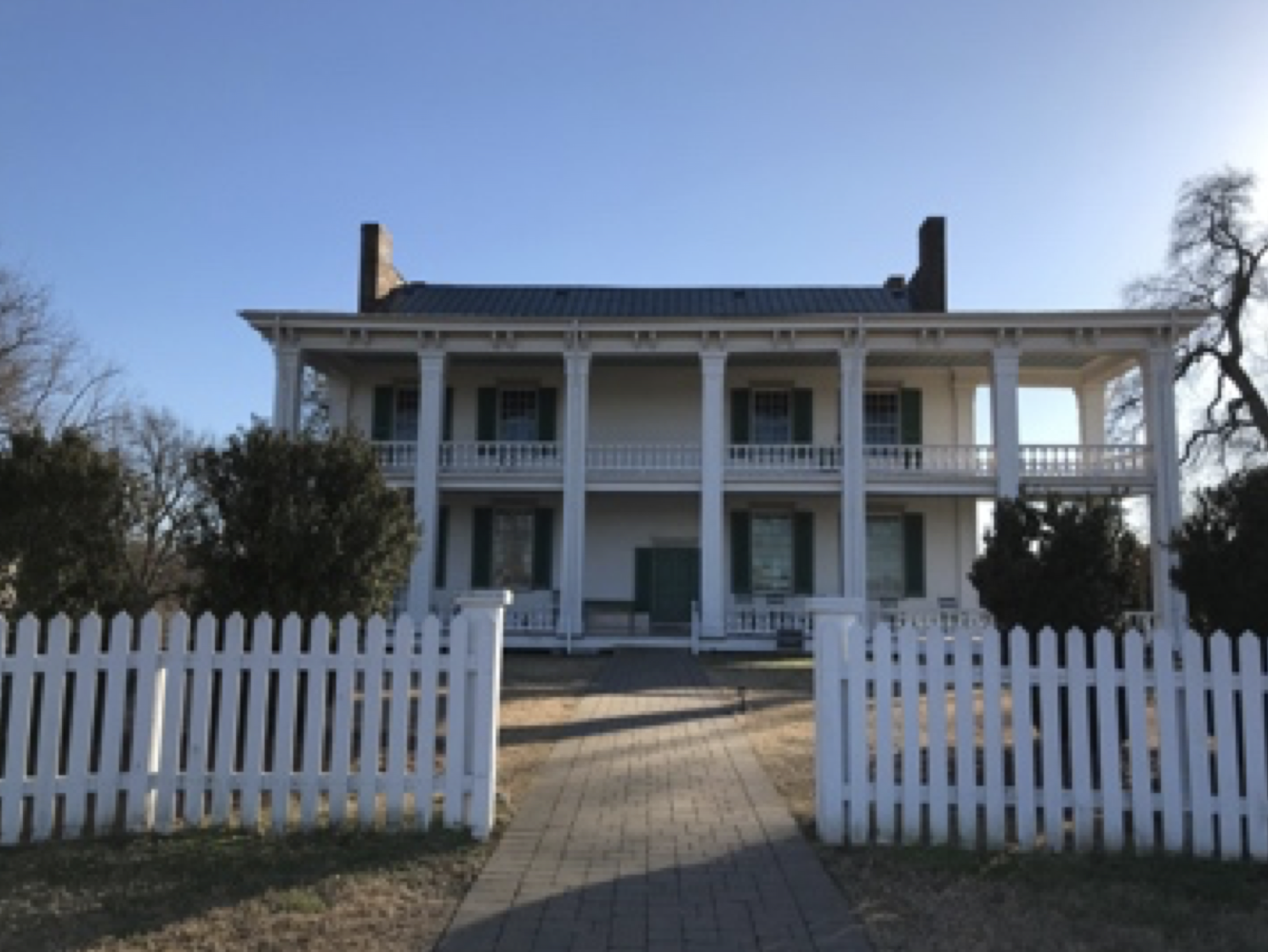
The image below is a view of Carnton from the back of the home. One can see the two-level gallery porches that extend beyond the full length of the house. If you're familiar with the Battle of Franklin (that I've written about in my novel With This Pledge), you may remember that this lower porch is where the bodies of four Confederate generals who died in the Battle of Franklin were lain the night of the battle.
Real People in the Novel
Several characters in this novel are based on real people who actually lived. Sadly, time has erased any image we might have had of one of the most beloved characters in the Carnton novels, Tempy. But other images we do still have.
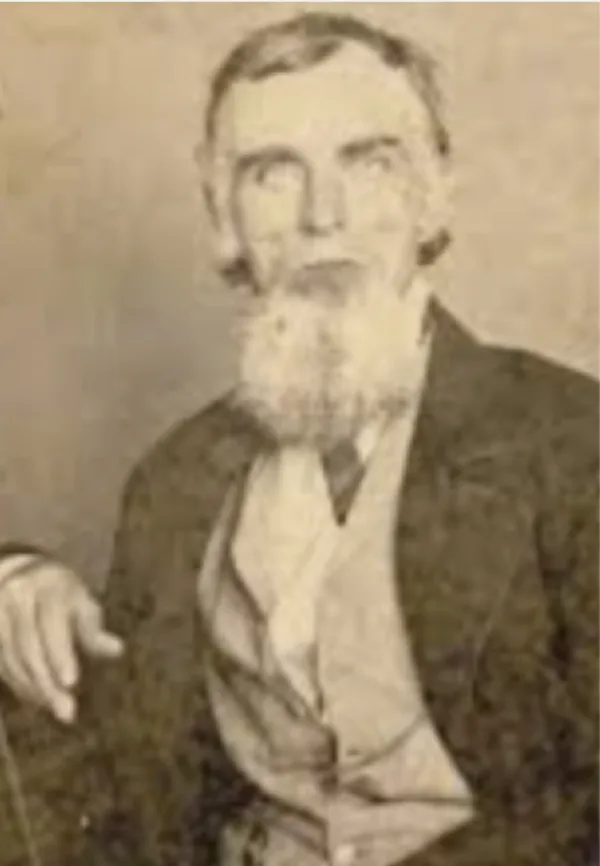
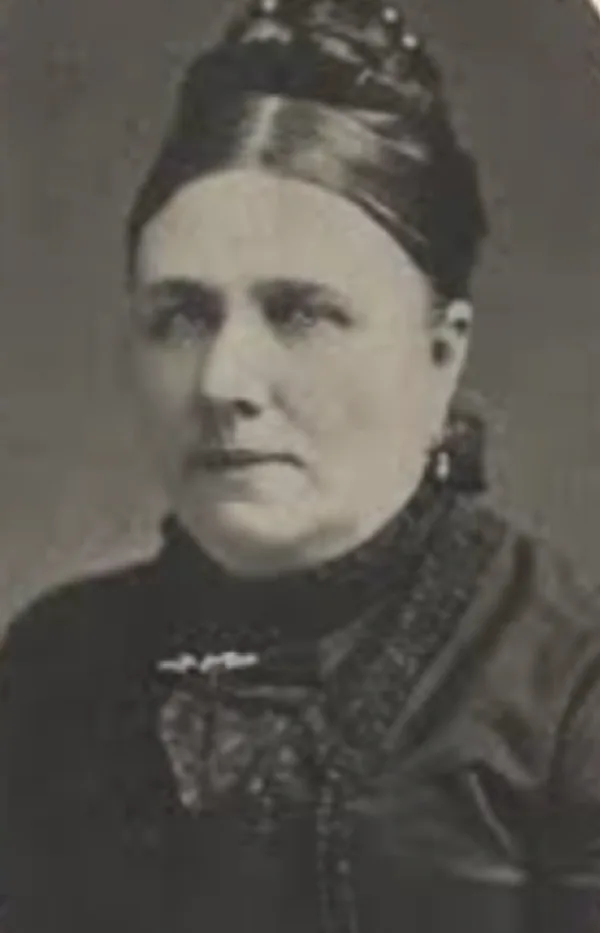
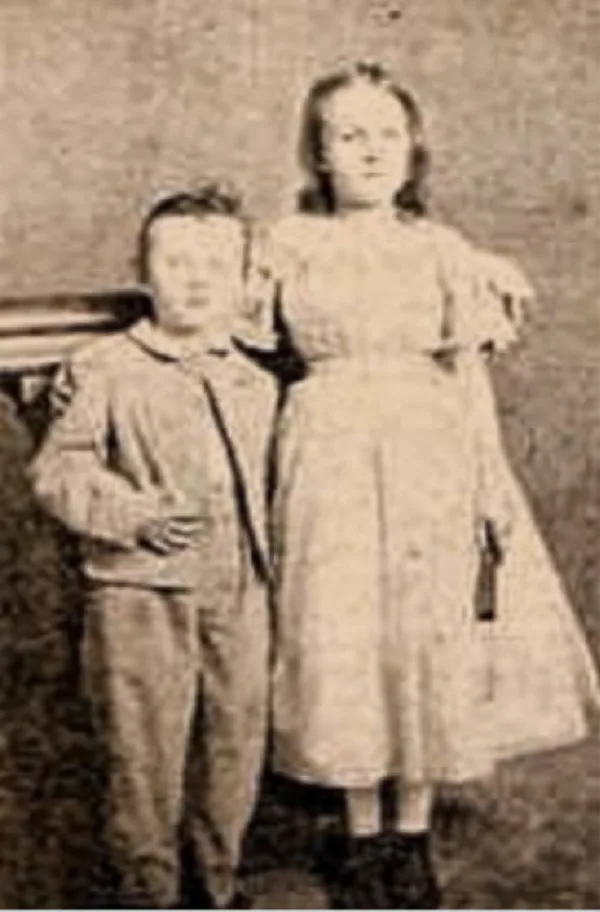
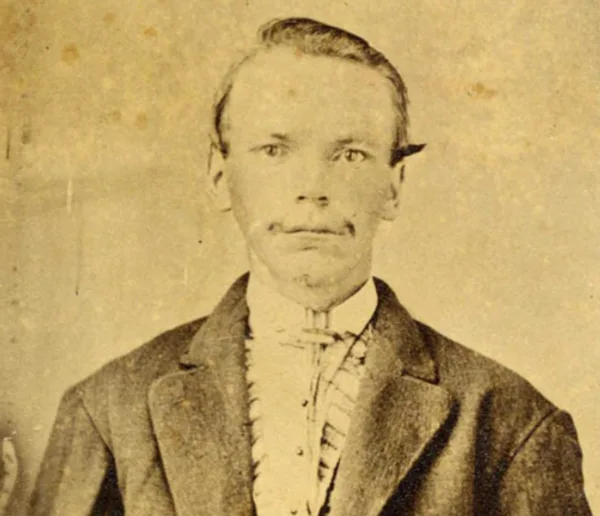
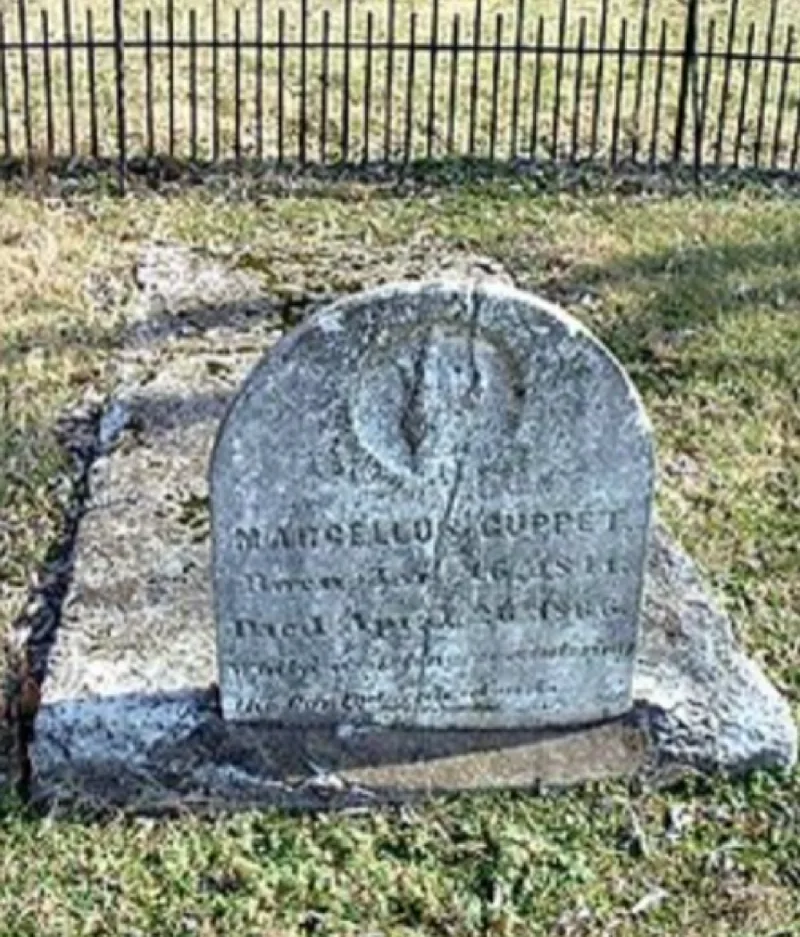
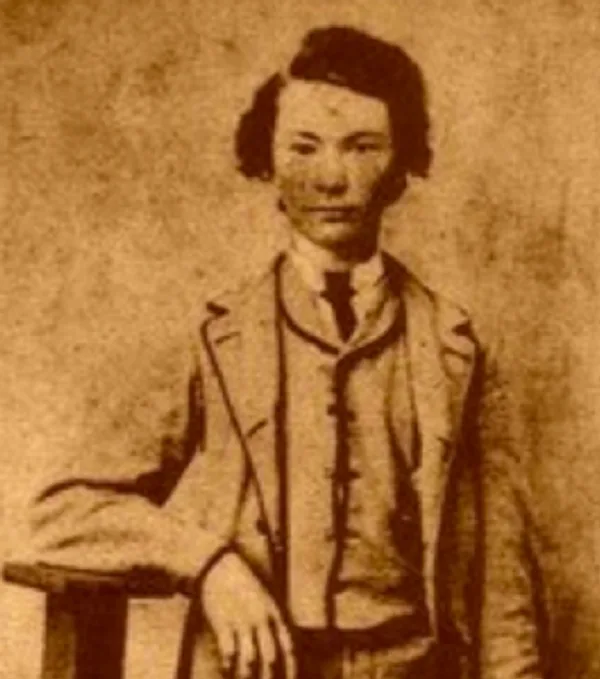
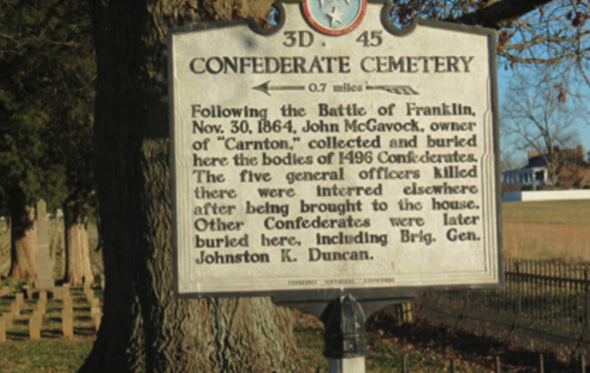
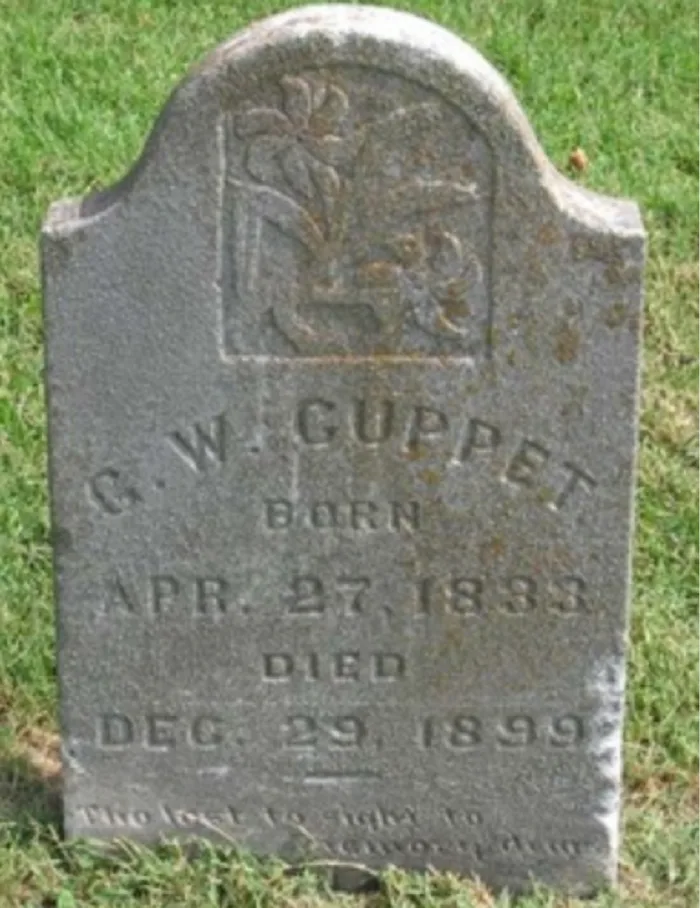
George Cuppett's Letter
Thanks to the Battle of Franklin Trust (the organization that oversees Carnton — www.bof.org), here is a letter from George Cuppett in his own words:
"In the spring of 1866, I learned of an effort which was being led by a number of Franklin citizens to exhume the Confederate soldiers who had been killed at the Battle of Franklin. Their bodies were to be moved to a new cemetery. John McGavock was one of those involved in this project and he had donated a two acre tract near his home, Carnton, as the location for the cemetery.
Soon it was advertised that those wishing to conduct the exhumation were required to place a bid. After talking with my brothers, and another man we knew named Robert Sloan, we agreed to bid the project at $5.00 per body. This price included the construction of small wooden boxes for the remains. In March 1866, I was notified that we had been chosen to exhume and rebury the dead. It was decided amongst the four of us that I would be in charge of the project.
Work began in late March. It was most unpleasant and incredibly difficult. We usually worked six days a week, and only stopped when there was heavy rain.
Tragedy struck barely a month into the project. My younger brother, Marcellus, became suddenly and desperately ill in mid-April. He developed a violent fever, fell into a delirium, and never recovered. There was really no way to provide Marcellus with a decent burial place, and so it was decided to lay him to rest in the cemetery right alongside some of the very soldiers we had already re-buried. Polk and I thought it appropriate that Marcellus rest next to the Texans.
The work then resumed. Polk, Robert, and I worked until mid-June to get the soldiers relocated. Altogether 1,481 soldiers were moved to the new cemetery at Carnton, and buried in state sections. We were able to identify over 900 of the men. As we worked those three months, I listed every soldier in a small leather bound journal. All were numbered and where names and units could be identified I wrote that information, too.
Upon completion of the project, I provided Mr. and Mrs. McGavock with the small book I had composed. I understand they kept the book for the rest of their lives and often used it when relatives of soldiers buried in the cemetery would visit.
Several years later I married a local girl, Malvena Collins, and eventually lived northeast of Nashville. I came back to Franklin occasionally and was present when the Confederate monument was unveiled on November 30, 1899."
In the "Burial Book" George Cuppett wrote: "My hole (sic) heart is with the brave & noble Confederate dead who fell whilst battling for their writes (sic) and Libertys (sic)." (Jacobson: McGavock, p. 25)
Greenbacks
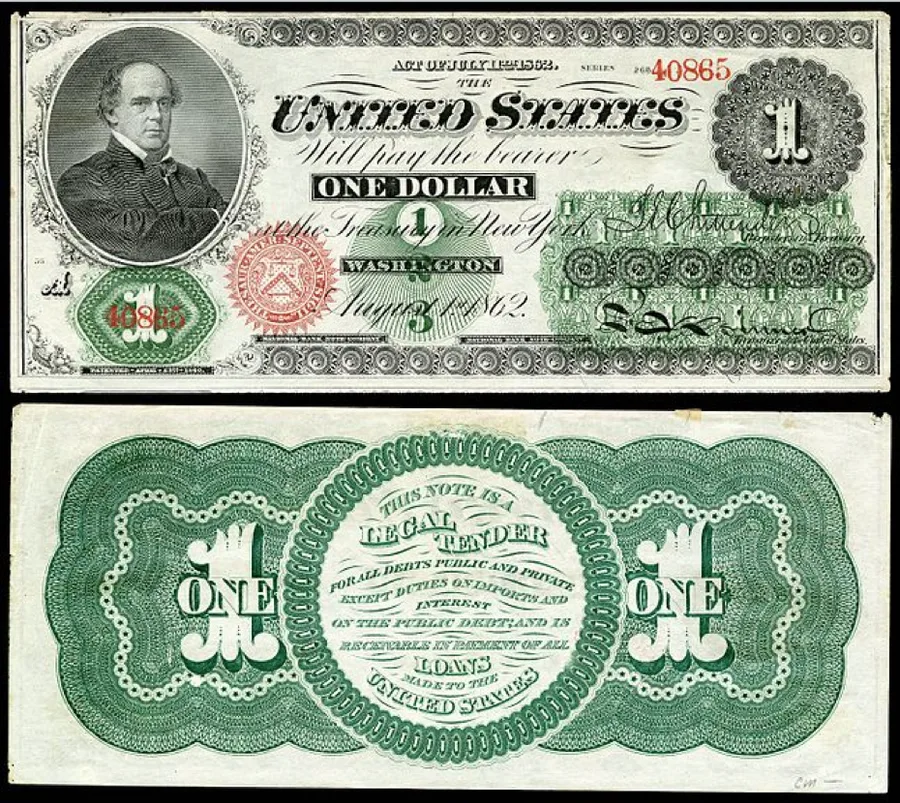
Following the Civil War, one-third to one-half of the currency in circulation in the United States was counterfeit. America was a nation on the brink of bankruptcy, in so many ways. Hence, the United States Secret Service was founded. Ten men served as the first Secret Service agents, called "operatives" in that era.
Thomas Nast's Emancipation Poster
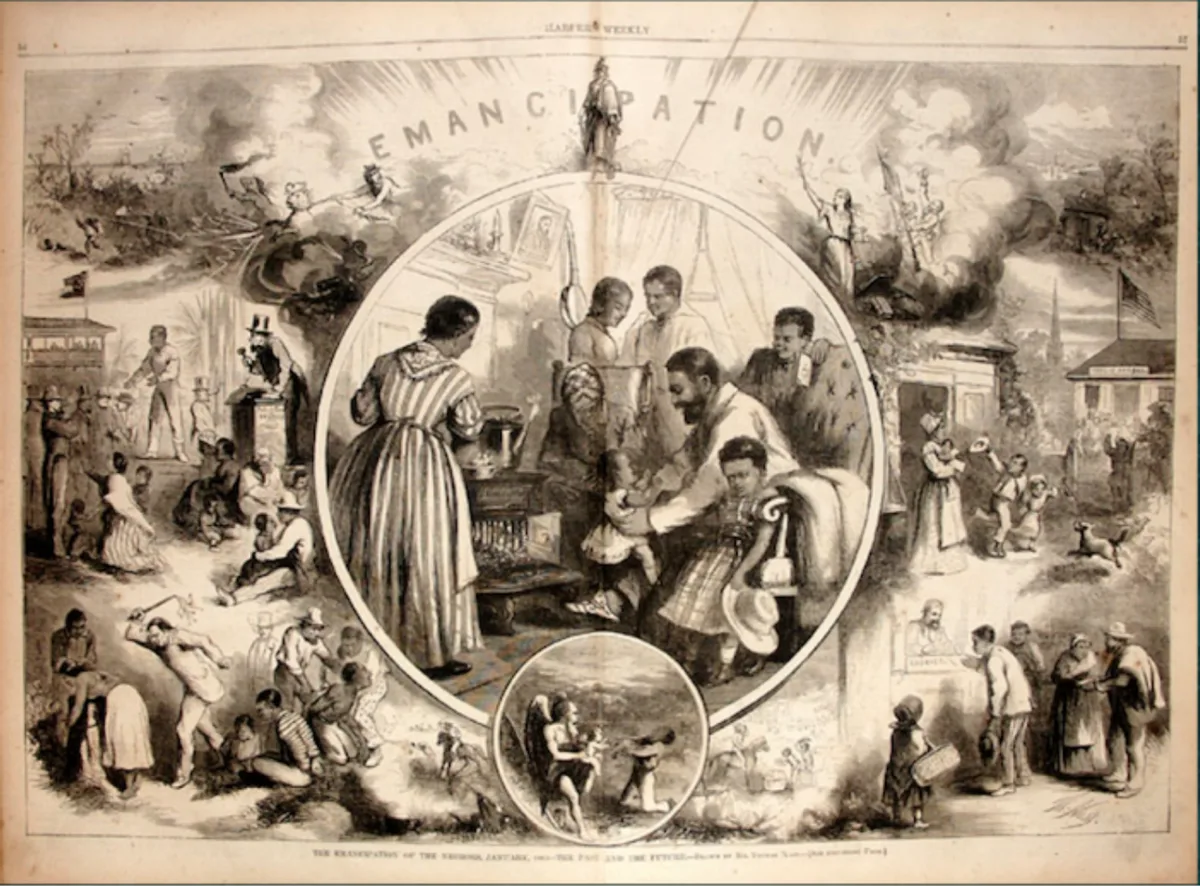
"Originally drawn for publication in Harper's Weekly, 'Emancipation' pictures Columbia (the female representation of America) presiding over a scene imagining the difference that Lincoln's Emancipation Proclamation would have on slavery and former slaves in the South. The original 1863 illustration omitted Lincoln's image at the bottom, instead featuring an abstract image of heavenly intervention breaking a slave's chains. The inclusion of Lincoln's visage [in later versions] highlights his ascension from sometimes-maligned president into a national martyr and revered Great Emancipator, and also begs the question of who (in the public imagination) freed the slaves." (From the website: www.abolitionseminar.org)
Read more about Thomas Nast and his "Emancipation" →
Peter McCartney
Peter McCartney's character in the book was based on the real Peter McCartney who lived in the 19th century—and who was an actual counterfeiter. And a very successful one!
Below is a newspaper article from the New York Times (December 1876) about McCartney's sentencing.
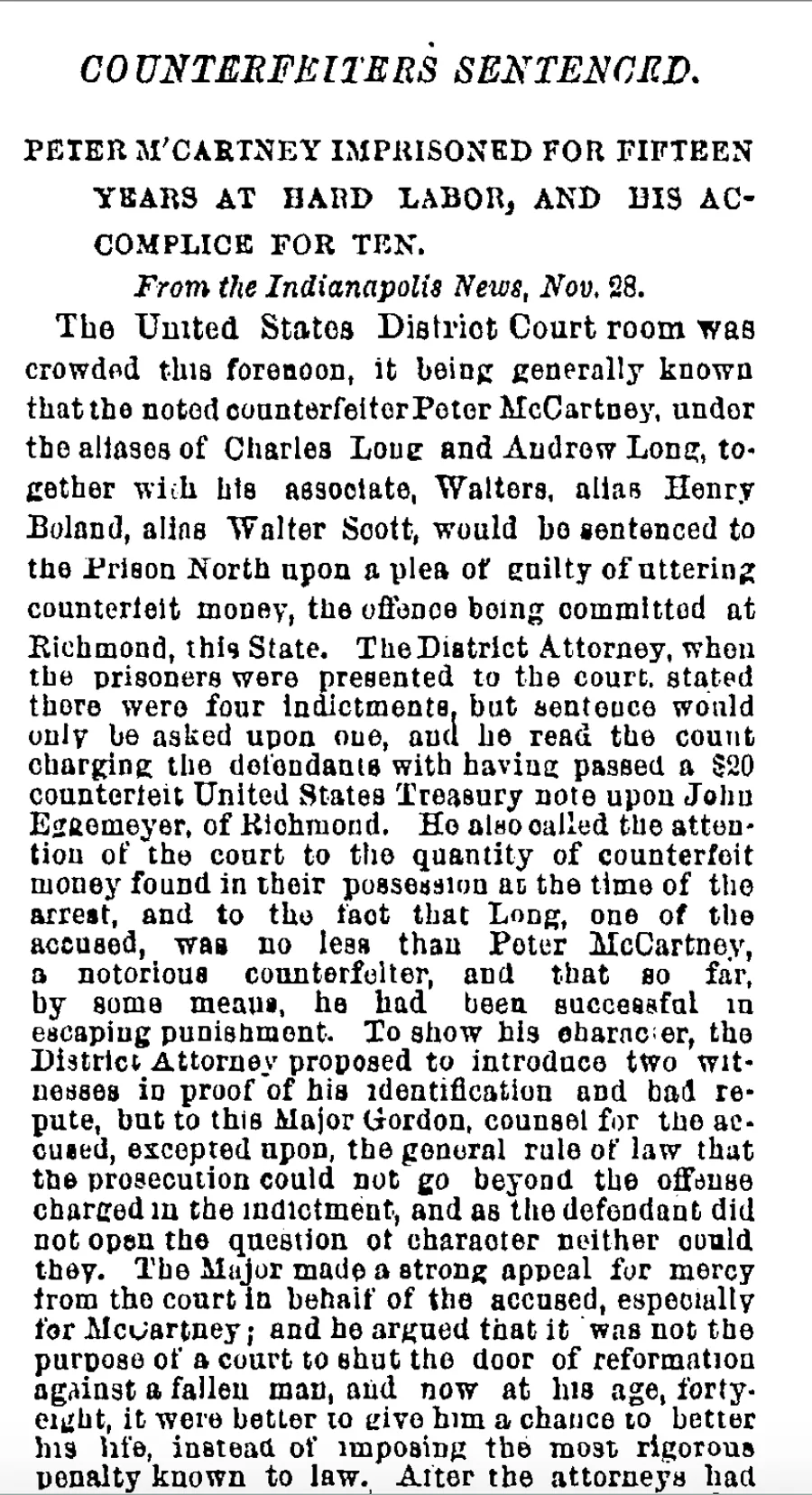
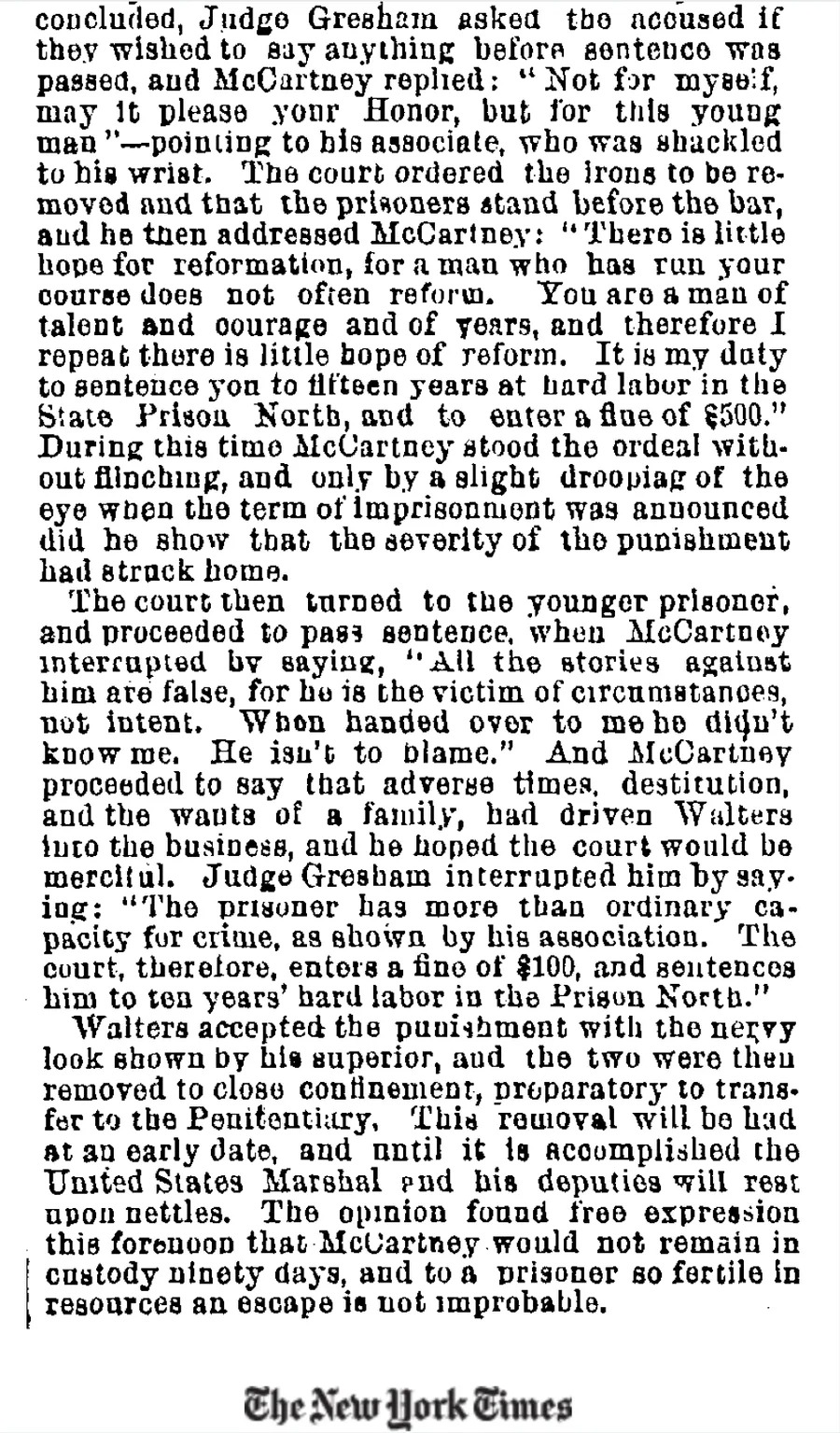
New York Times article (December 1876) on Peter McCartney's sentencing
Reader Favorite Quotes
". . . as hard as it is to face the truth, it's even harder to live with a lie."
"He only hoped the deep rifts in this country could soon be healed and that the chasms present for so many years would finally be bridged."
"I ain't one to question the Lord's goodness. But sometimes it sure feels like he can give a body too much to bear, don't it?"
"Way I figure it, one way or the other, give it enough time, and the truth always has its say."
"How could someone who inflicted so deep a wound on your heart still manage to possess a piece of it?"
More in This Series
Visit Carnton
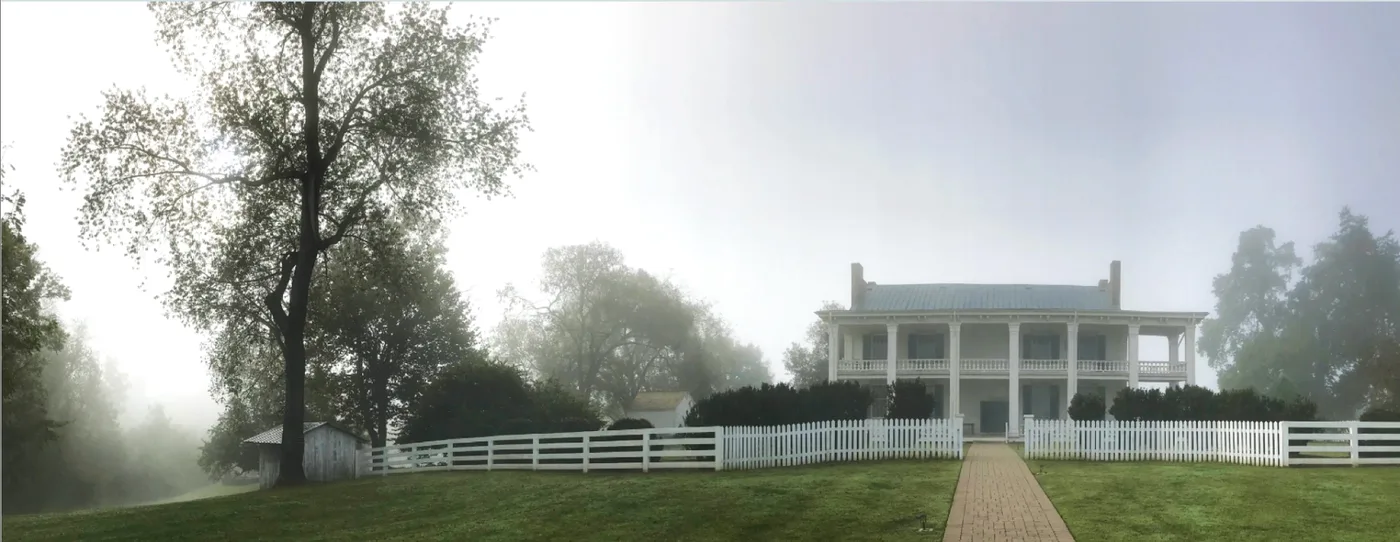
Carnton in Franklin, Tennessee—The Setting of All Tamera's Carnton Novels
Plan Your Trip to Carnton →If you're part of a book club reading one of my books, I'd love to join your meeting via video call for a 20–30 minute Q&A. Visit the Book Clubs page for more details.