⚠️ SPOILER ALERT—Reading this page will reveal several twists, turns, and surprises from the novel. If you haven't read To Wager Her Heart yet, proceed with caution!
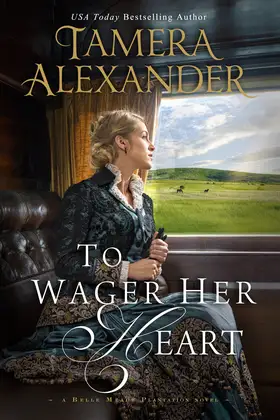
To Wager Her Heart—Belle Meade Plantation Novels, Book 3
Thanks for taking yet another journey with me to historic Belle Meade Plantation in Nashville, Tennessee in To Wager Her Heart.
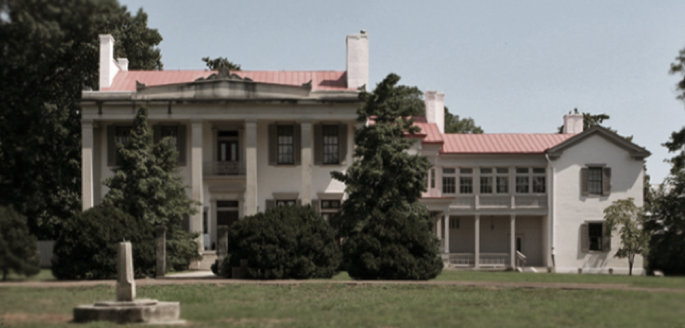
Belle Meade Plantation was built in 1807 by John and Susannah Harding, with the later — and much larger—addition to the house added by John and Susannah's son, General William Giles Harding, in 1853. For more about the Harding family, the servants who worked at Belle Meade, and both past and current pictures of Belle Meade Plantation, please visit the Step into Belle Meade Plantation page on this site.
Was There Really a Fisk University?
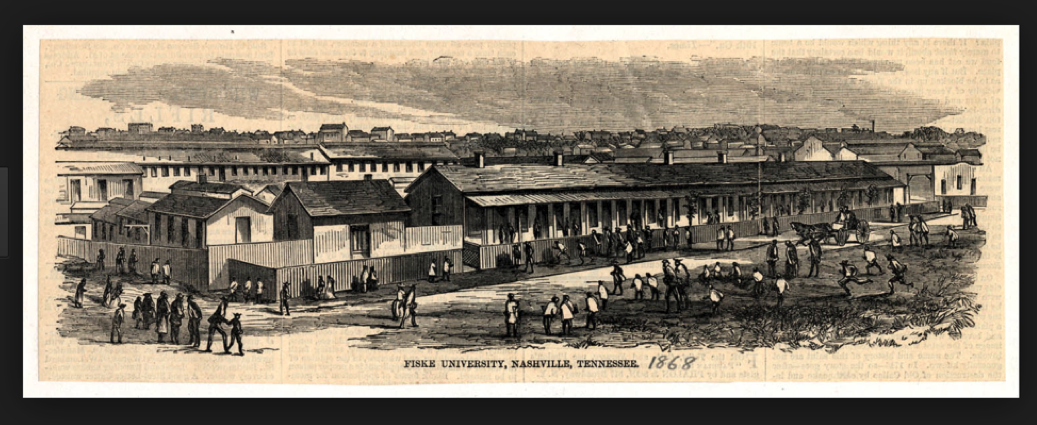
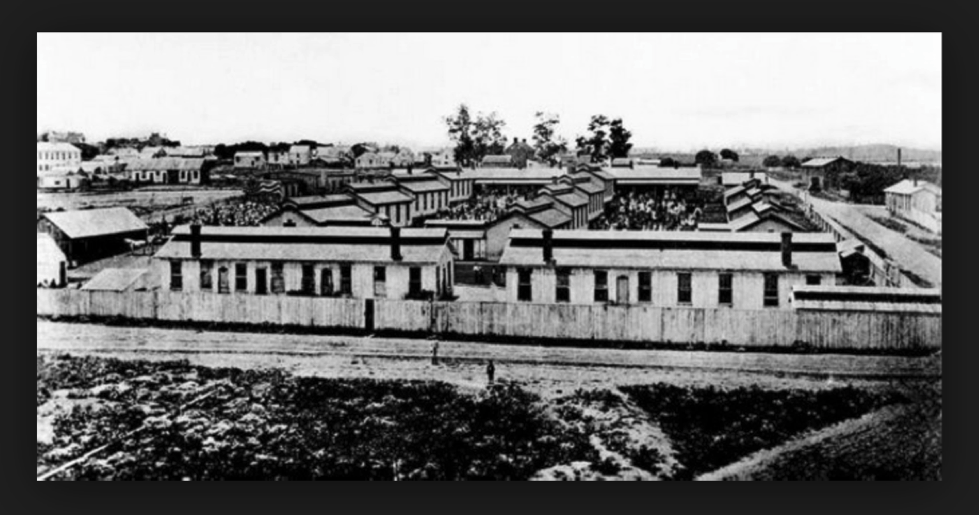
Yes, there was. Fisk University was established in Nashville in 1866 following the American Civil War. As depicted in the novel, the university was originally housed in former Union Army hospital barracks that had been hastily constructed during the war and that were, indeed, swiftly deteriorating.

The Jubilee Singers
Yes, the Jubilee Singers were a real singing ensemble that George White and Ella Sheppard (both people who really lived) started at Fisk University in order to save the school from going bankrupt (as portrayed in the story).
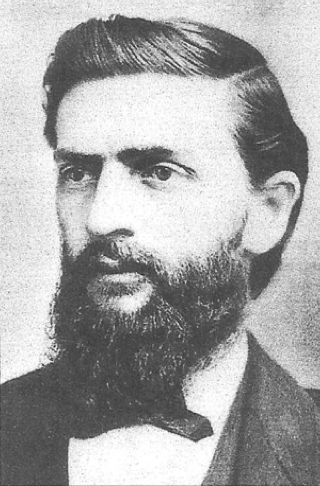
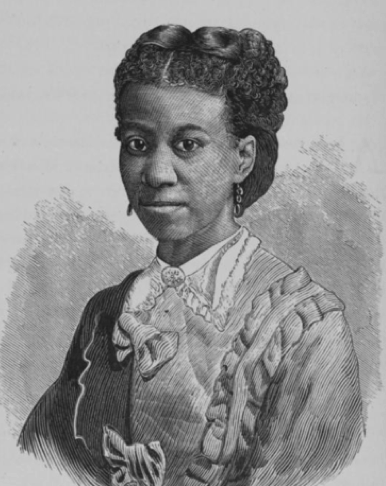
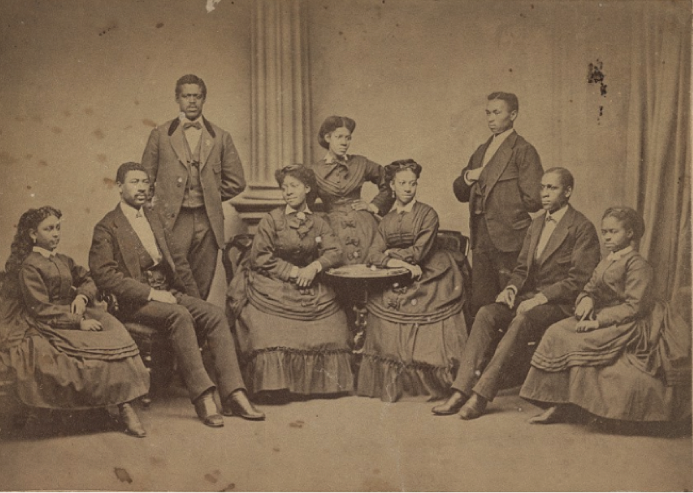
The persecution endured by the Jubilee Singers as portrayed in the novel is only a fraction of what the real singers endured. Yet in less than three years of touring, they returned to Fisk University with nearly one hundred thousand dollars. During that time they had been received by the President of the United States, performed before the Queen of Great Britain, and breakfasted at the table of her prime minister.
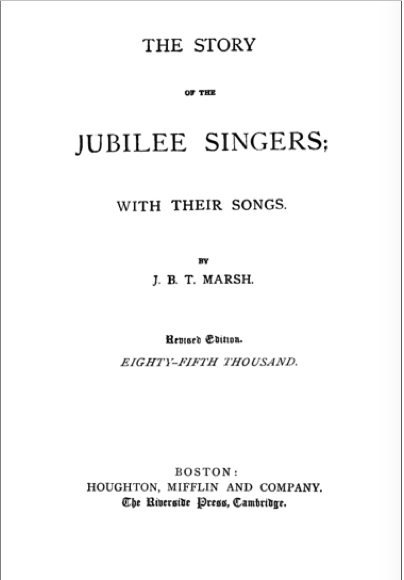
As J.B.T. Marsh cited in his wonderful book The Story of the Jubilee Singers (published in 1881), "Their success was as remarkable as their mission was unique."
More information about Fisk University →
Is the Story of the Fisk Students Finding the Chains Real?
Yes, it is. I took artistic license in how they found them. But it's true that the rusty chains and manacles from an abandoned slave pen of the city came into possession of the school, were then sold, and the money used to purchase Bibles for spelling books.
Did the Jubilee Singers Really Travel in a Pullman Palace Car?
Yes, they did. And it was George Pullman himself who—after hearing the Jubilee Singers in concert—offered one of his own Pullman Palace cars to them for their use.
The Trip Preceptress
Was the role that Alexandra Jamison played in the book as "trip preceptress" simply concocted for the novel? Or was it real? The role was real. There really was a woman who acted as the trip preceptress who accompanied the singers. Hence, the idea for Alexandra to play that role. The real preceptress's name was Mary Wells, principal of an AMA school in Alabama, who brought along her eight-year-old ward, "Little Georgie" Wells.
The Colored Tennessean Newspaper
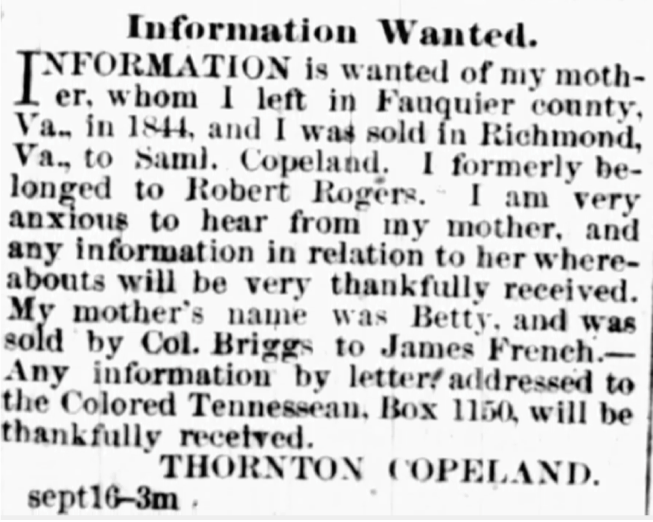
The Colored Tennessean was a newspaper published by African Americans for African Americans. There were many ads about schools, which were very important (as George White continually stated in real life).
But there were also many ads (as depicted in To Wager Her Heart) in which former slaves attempted to reunite with family members who had been sold years earlier. Following is an example of such an ad.
Watch a video about The Colored Tennessean newspaper →
Did Uncle Bob Marry in Real Life?
I'm thrilled to tell you that he did! And he married a woman by the name of Ellen Watkins, as portrayed in the novel. Uncle Bob and Ellen lived in the old Harding cabin and raised six children there.
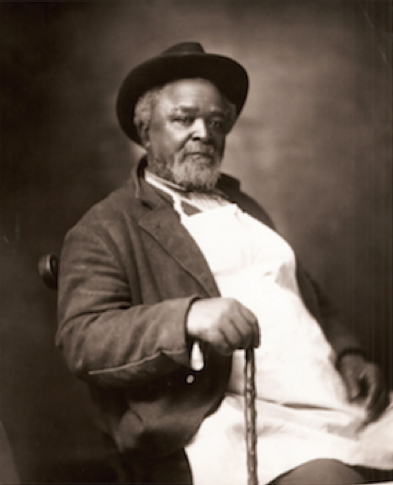
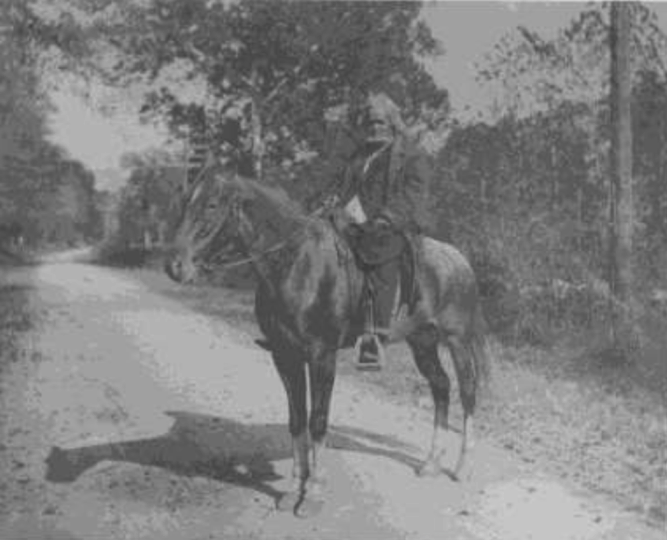
"Green married Ellen Watkins in Nashville on December 11, 1872. The 1880 census indicated that he lived with Ellen, his wife, as well as three children on the plantation. The children, Robert, Sarah, and Macie, ranged in age from one year to eight years old. Robert's (Uncle Bob's) occupation is listed as farm laborer. In 1900, the census lists Robert's occupation as head groom, and he is the only one listed as working in the household. He and Ellen had three daughters at home, Sallie (21), Mackie (20), and Ella (12). Three sons remained at home, Thomas (19), William (16), and Henry (10). Mackie's son, Robert, aged 2, also lived in the home with the family. Other historians have stated that Green's sons showed the stallions and worked with the horses along with their father."
—Excerpted from HARDING CABIN – BELLE MEADE PLANTATION SITE DOCUMENTATION AND HISTORY, April 2015
Uncle Bob's dying wish was to be buried at Belle Meade, which he was. However, most unfortunately and sadly, the actual placement of his grave has been lost to time.
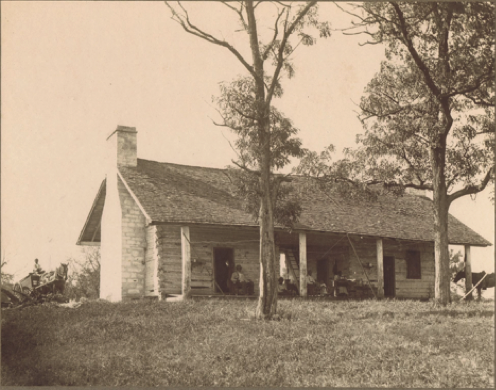
Watch a video about Robert (Uncle Bob) Green →
Watch a video about the Old Harding Cabin at Belle Meade Plantation →
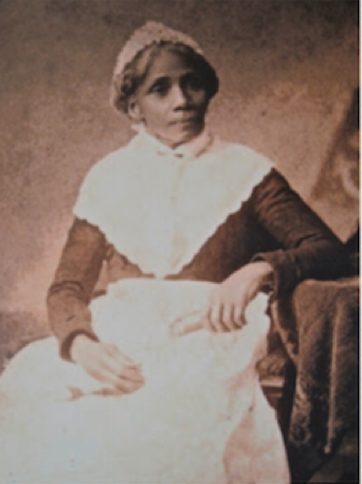
Susanna McGavock Carter
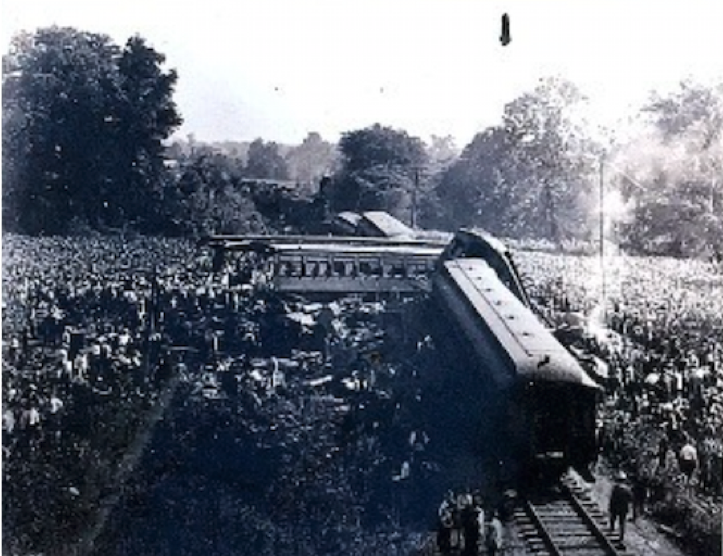
The Dutchman's Curve Train Accident
The train accident in To Wager Her Heart is, tragically, based on a real accident that occurred in 1918 outside of Nashville on Dutchman's Curve. With few exceptions, the facts presented in the story about that horrific event are consistent with history. It's reported that up to 50,000 spectators showed up throughout the day to see the disaster for themselves.
Philip Paul Bliss & the Ashtabula Accident
This is also very sad, but true. Philip Paul Bliss was a nineteenth-century songwriter and composer who wrote many beloved hymns. He and his beloved wife were killed in the Ashtabula train accident in December 1876.
If only Bliss knew what an impact his songs have had on so many through the years. Then again, maybe he does.
"On this day, December 29, 1876, shortly after 7 p.m., a train pulling out of Ashtabula, Ohio puffed its way across a trestle. Suddenly the passengers heard a terrible cracking sound. The trestle snapped and eleven rail cars plunged seventy feet down into a watery ravine. Even before the wooden cars slammed into the bottom, they were aflame, set afire by kerosene heaters. Of the 159 passengers in those cars, 92 were killed and most of the rest suffered serious injuries. Snuffed out by the wreck was a young couple whose bodies were never found. But you will almost certainly find the man's name in the hymnbook in the pew in front of you. It was Philip Paul Bliss."
— Excerpted from christian.com
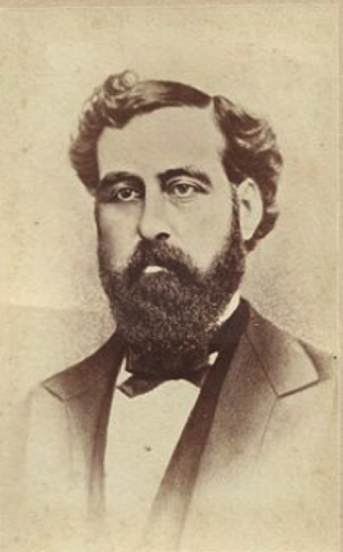
Click for more information about Philip Paul Bliss →
Visit Belle Meade & Fisk
When you're next in Nashville, both Belle Meade Plantation and Fisk University welcome your visit.
Plan Your Visit to Belle Meade →More in This Series
If you're part of a book club reading one of my books, I'd love to join your meeting via video call for a 20–30 minute Q&A. Visit the Book Clubs page for more details.